
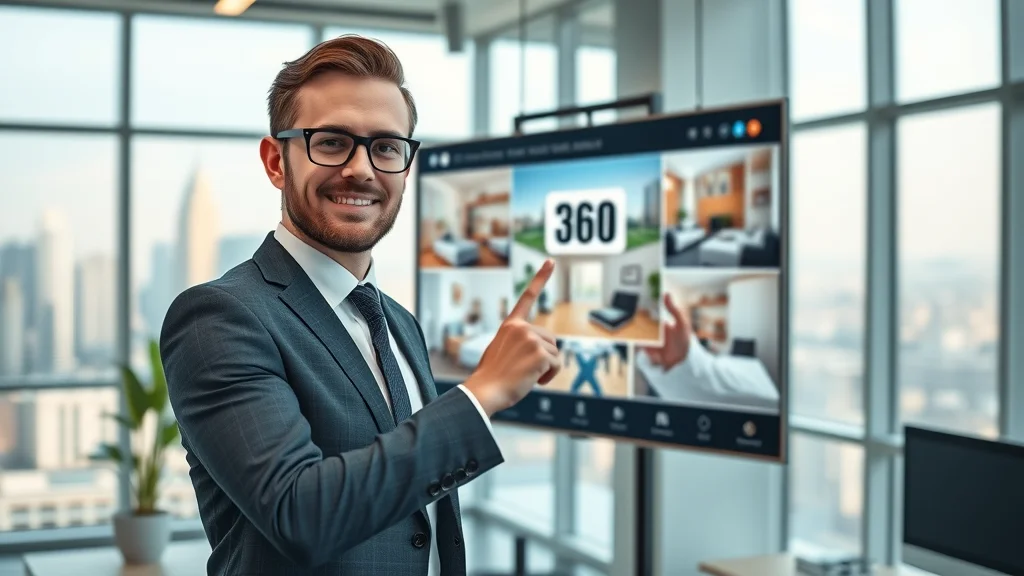
Did you know that homes listed with 360 interactive tours sell up to 30% faster than those without? As the real estate market embraces digital transformation, what was once a futuristic gimmick is now an industry-standard tool reshaping the way buyers and sellers interact with property listings.
A Startling Shift: The Impact of 360 Interactive Tours on Home Sales
The real estate market is in the midst of a technological revolution, with 360 interactive tours at the epicenter of this change. Gone are the days when static images and flat floor plans set the stage for a property’s appeal. Today, buyers crave an immersive experience that transports them into homes—no matter where they are in the world. This innovation allows potential buyers to explore properties as if they were walking from room to room, gaining a sense of layout, scale, and design that standard photos simply cannot convey. Sellers and real estate agents are leveraging these tools to create standout listing presentations, shrinking the traditional sales cycle.
For sellers, faster sales and higher offer prices are typical outcomes, as these tours provide deeper buyer engagement and improved prequalification. Estate agents and marketing professionals find that their listings enjoy more online visibility and longer screen time, outranking competitors and capturing the attention of international buyers. In essence, the adoption of virtual tours now defines success in modern real estate marketing, offering real value to both parties involved in the transaction and permanently altering expectations within the real estate industry.
What You’ll Learn About How 360 Interactive Tours Are Changing the Way Homes Sell
- The origins and technology behind 360 interactive tours
- Key benefits for sellers, buyers, and agents
- Comparisons with traditional estate marketing methods
- Current market trends and adoption rates in the real estate market
- Tips for leveraging 360 virtual tours in your real estate marketing strategy
The Evolution of Real Estate: From Open House to 360 Interactive Tour
“Virtual tours have become non-negotiable for today’s top-performing real estate marketing campaigns.” – Industry Expert
The journey from traditional open houses to state-of-the-art 360 interactive tours highlights how swiftly the real estate industry adapts to buyer demand and technological advances. Real estate agents once depended on open house events to attract potential buyers—a method limited by geography and scheduling constraints. Fast forward to today, and virtual tours are reshaping the estate market by making listings accessible 24/7 to anyone, anywhere. This shift is not just about convenience; it’s about transforming the way buyers evaluate homes and making property marketing far more dynamic and accessible than ever before.
- The rise of virtual tour technology
- Role of real estate agents and estate agents in adoption
- Market trends shaping the next era of estate marketing
The role of modern real estate agents has also evolved. Forward-thinking professionals are leading the charge by integrating these technologies to attract more leads and close deals faster. Market trends indicate that buyers increasingly expect immersive content; those agents who resist are quickly left behind. In short, the evolution from open house to virtual tour marks a leap toward greater efficiency and higher sales conversion rates.
Understanding 360 Interactive Tours: What Makes Them a Game Changer in Real Estate
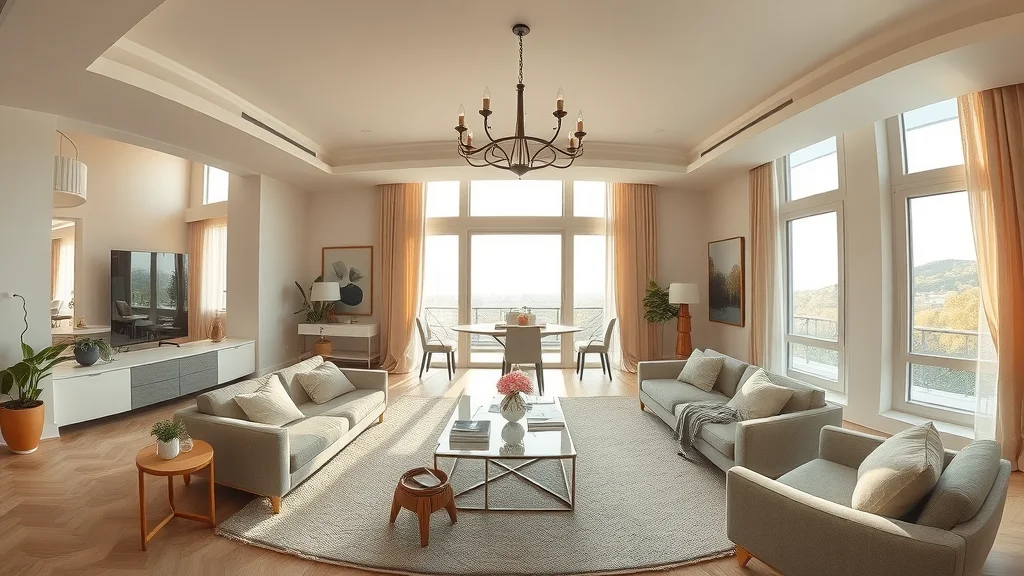
Unlike traditional real estate presentations—relying on static images or slideshows—360 interactive tours immerse viewers in a clickable, panoramic view of the property. This allows potential buyers to virtually visit each space at their own pace, zooming in on details and getting a ‘feel’ for the home before ever booking an in-person tour. Technology such as VR-compatible cameras and integrated 3D mapping software powers these tours, creating lifelike, high-resolution walkthroughs that can be accessed from any device.
- Virtual tour vs. traditional real estate presentations
- Technology powering 360 virtual tours
- User experience and buyer psychology
“360 interactive tours offer an immersive sense of space, impossible with standard photos.” – Leading Real Estate Agent
The user experience is at the heart of this technological leap. By providing an interactive experience, virtual tours evoke emotional engagement and buyer confidence. Studies show that listings with immersive virtual tours experience higher engagement rates, longer online viewing times, and are more likely to receive offers above asking price. By helping buyers visualize themselves in a space, estate agents are bridging the gap between online interest and real-world closings.
| Feature | 360 Interactive Tours | Standard Virtual Tours | Open Houses |
|---|---|---|---|
| Accessibility | 24/7, Anywhere | Online, Limited Interactivity | By Appointment, Physical Presence Required |
| User Experience | Fully Immersive, Walkthrough | Slideshow, Panoramic Images | Sensory, In-person |
| Buyer Engagement | High | Medium | Varies |
| Cost for Agent/Seller | Moderate, One-Time | Low to Moderate | Time & Staging Costs |
| Lead Qualification | Excellent | Good | Medium |
How 360 Interactive Tours Are Changing the Way Homes Sell in the Real Estate Market
The impact of 360 interactive tours on real estate market dynamics continues to accelerate, fundamentally changing how agents showcase properties and how buyers make purchase decisions. Innovative estate marketing strategies now leverage virtual reality and interactive walkthroughs to present homes in their best light, reaching buyers from across the country and even overseas. Real-world success stories abound: agents report that listings with 360 tours receive more online views, result in more qualified showings, and ultimately sell in fewer days than comparable homes marketed without these features.
- Estate marketing strategies that harness virtual reality
- Real-world success stories from real estate agents and estate agents
- Impact on property value and perceived worth
Beyond pure convenience, 360 interactive tours elevate perceived property value. Buyers, armed with a clear understanding of layout and features through immersive experiences, are more likely to place strong, competitive offers. For real estate agents and estate agents, this translates to increased commission opportunities and greater client satisfaction. The estate industry is witnessing a new standard emerge: virtual tours are not just a bonus—they are quickly becoming a requirement for competitive listings.
| Metric | With 360 Interactive Tours | Without 360 Interactive Tours |
|---|---|---|
| Average Days on Market | 18 | 32 |
| Average Offer Price Increase (%) | +5.6% | – |
| Buyer Inquiry Volume | High | Medium |
| Online Listing Views | 150% Higher | Standard |
Benefits for Sellers: Maximizing Property Exposure with 360 Interactive Tours
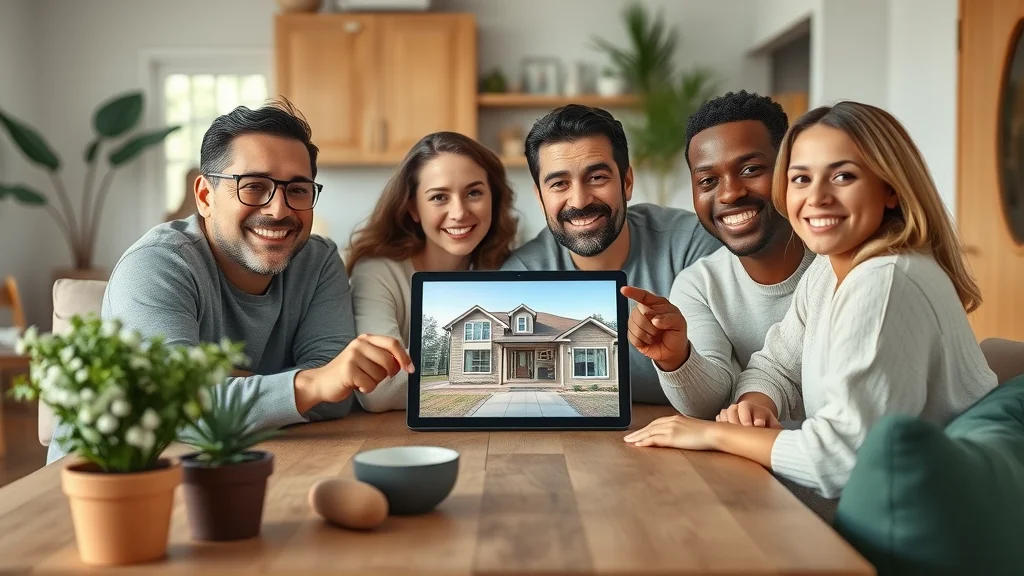
Sellers today want maximum exposure for their property listings and expect fast results. 360 interactive tours provide an unparalleled opportunity to meet these demands in the current estate market. Properties featured with immersive virtual tours consistently draw larger online audiences and enjoy increased visibility on leading real estate platforms. Not only are days on market reduced, but feedback from top estate agents shows that these listings often receive stronger offers and higher sale prices due to the improved transparency and buyer trust created by the virtual tour experience.
- Increased online visibility in the estate market
- Reduced days on market
- Improved buyer prequalification
“Homes showcased with 360 interactive tours frequently command higher offers.” – Top Estate Agent
With greater buyer prequalification, open houses and showings become more meaningful—meaning sellers and their agents spend less time on unproductive appointments and more time negotiating serious offers. The immersive experience motivates motivated buyers to take action quickly, reducing the occurrence of a home languishing on the market. In short, using 360 interactive tours is no longer just a marketing advantage—it’s a proven path to superior results for sellers everywhere.
Benefits for Buyers: Exploring Properties Anywhere with 360 Interactive Tours
Today’s buyers demand convenience, accessibility, and trustworthy information—especially in the fast-paced real estate market. 360 interactive tours rise to the challenge by enabling potential buyers to explore properties from anywhere in the world, bypassing the need for numerous site visits. This is especially valuable for international buyers or those relocating longer distances. The ability to walk through homes virtually means buyers save time, conduct in-depth comparisons, and gain a real understanding of each property’s layout and atmosphere.
- Convenience and time-saving advantages
- Enhanced understanding of layout and flow
- Reduction in site visits and wasted viewings
For buyers, this results in far fewer wasted viewings and a more efficient, confidence-building decision process. Instead of being disappointed by properties that don’t match their needs, buyers use virtual tours to refine their shortlists and approach in-person tours with clear intent. This focus benefits all parties—buyers, their agents, and the sellers they ultimately work with.
| Experience | Very Satisfied | Satisfied | Neutral | Dissatisfied |
|---|---|---|---|---|
| 360 Interactive Tours | 68% | 24% | 6% | 2% |
| In-Person Visits | 55% | 33% | 10% | 2% |
How Real Estate Agents Use 360 Interactive Tours to Win Listings and Close Sales
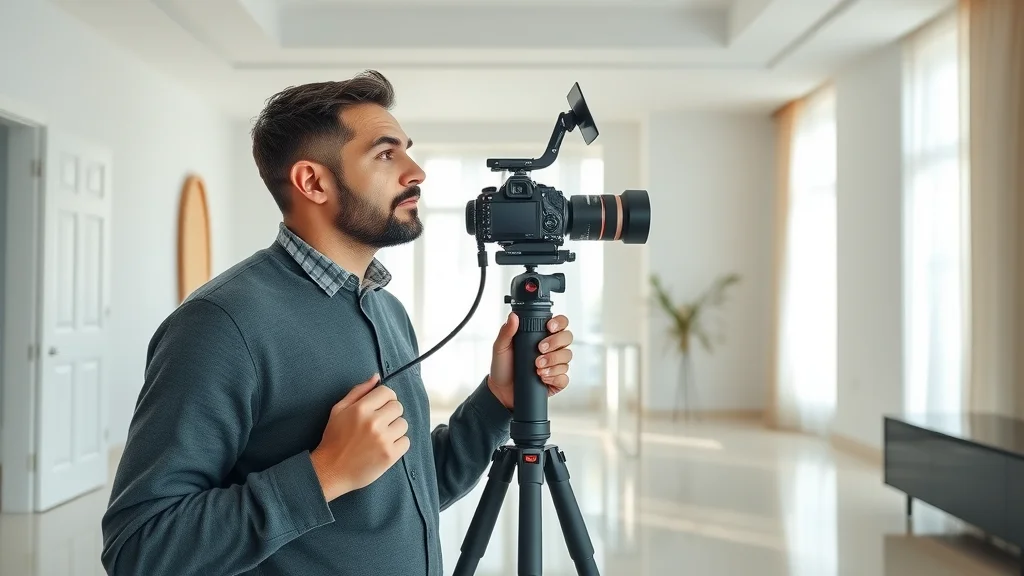
In an increasingly crowded marketplace, top real estate agents look for any edge that will set their listings apart. 360 interactive tours are emerging as the differentiator that helps agents win more listings, secure higher quality leads, and close sales in less time. During listing presentations, agents can demonstrate their mastery of technology and marketing by showcasing beautiful, fully interactive tours of previous properties. This tangible demonstration of expertise builds trust with sellers eager for fast, successful outcomes.
- Standout listing presentations
- Improved buyer engagement through immersive virtual tours
- Feedback from top performing estate agents on virtual tour effectiveness
“My listing success rate doubled after I started using 360 interactive tours.” – Local Real Estate Agent
Additionally, buyers presented with immersive tours are more likely to submit offers, as the interactive experience removes geographical limitations and deepens engagement. Feedback from real estate agents reveals that virtual tours provide a steady stream of qualified buyers, reduce buyer hesitancy, and shorten the back-and-forth typically involved in real estate transactions. As a result, the adoption of 360 interactive tours is now a key selling point for forward-thinking real estate professionals.
Integrating Virtual Reality into Estate Marketing for Maximum Impact
The future of estate marketing is bright, with virtual reality unlocking new creative possibilities. Estate agents are combining interactive tour walkthroughs with 3D floorplans, allowing buyers to both see and understand a property’s spatial layout in granular detail. Augmented reality features—such as clickable hotspots, pop-up details, and digital staging—further elevate the home buying experience. Innovative digital marketing campaigns use these tools to create emotional attachments and boost shareability on social platforms, reaching audiences far beyond traditional channels.
- Combining virtual tour walkthroughs with 3D floorplans
- Augmented reality add-ons in real estate marketing
- Innovative digital estate marketing examples
The ability to layer floor plan information, interactive room measurements, and staging previews into a single digital tour puts actionable knowledge in the hands of buyers. Estate agents gain powerful new content for their listings, increasing engagement and positioning themselves as leaders in the ever-evolving real estate market.
Watch as an agent prepares, photographs, and launches a live 360 interactive tour to drive immediate buyer engagement and multiple offers within days.
Key Features to Look for in High-Quality 360 Interactive Tours
Not all virtual tours are created equal; the features and usability of a 360 interactive tour can make or break its impact on your real estate marketing strategy. High-resolution imagery ensures every detail is crisp and true-to-life, while smooth, intuitive controls allow buyers to move naturally through the space. Compatibility with mobile devices, tablets, and VR headsets is a must in today’s always-connected world. Integrated hotspots—clickable markers that showcase property features or upgrades—quickly communicate value and help buyers focus on what matters most.
- High resolution and image clarity
- Easy navigation and intuitive controls
- Compatibility with mobile and VR devices
- Integrated info hotspots for property features
| Feature | Must-Have | Nice-to-Have |
|---|---|---|
| 4K Resolution+ | ✔️ | |
| VR Headset Compatibility | ✔️ | |
| Mobile Optimization | ✔️ | |
| Interactive Hotspots | ✔️ | |
| Integrated 3D Floor Plans | ✔️ | |
| Augmented Reality Features | ✔️ |
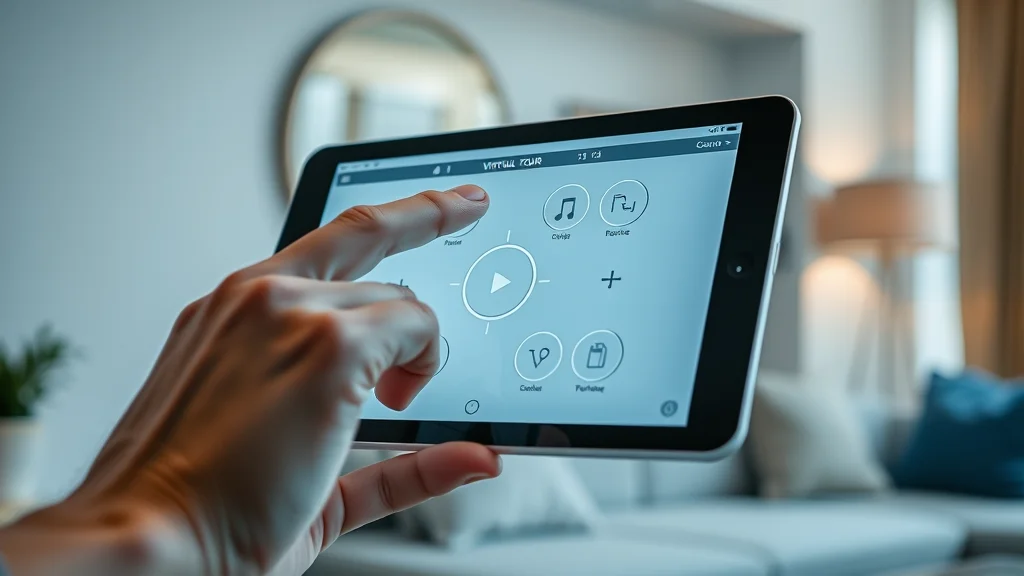
Tips for Creating Compelling 360 Interactive Tours in the Real Estate Market
Creating an effective virtual tour involves more than just walking through a property with a camera. Successful estate marketing requires meticulous staging—removing clutter, arranging furniture, and highlighting unique features so each space appears both inviting and functional. Proper lighting is crucial: scheduling shoots during the brightest parts of the day and using soft, even light sources minimizes shadows and enhances detail. Finally, post-production editing to adjust color, sharpness, and flow ensures that the finished tour captivates and informs buyers from start to finish.
- Staging tips tailored for virtual tours
- Lighting and shooting best practices
- Post-production editing for maximum impact
“The right staging and angles can transform a virtual tour into a buyer magnet.” – Professional Real Estate Photographer
Collaborate with skilled photographers and virtual tour providers who understand the nuances of real estate marketing—your investment in quality can mean the difference between a property that’s overlooked and one that’s snapped up in days.
Overcoming Challenges When Implementing 360 Interactive Tours
While the benefits of 360 interactive tours are significant, there are challenges to consider. Investment in required equipment and software can be a hurdle for smaller agencies, and there’s often a learning curve associated with using new technologies. Education plays a key role: agents must communicate the advantages of immersive marketing to both sellers and buyers, dispelling myths and showing how these tools offer transparency and convenience. Ensuring image quality and property accuracy is essential—blurry photos or poorly rendered spaces undermine trust and the value of the virtual tour.
- Managing costs and technology learning curve
- Educating sellers and buyers about virtual tour benefits
- Ensuring image quality and property accuracy
As adoption grows, platforms are introducing simpler, more affordable options—helping even boutique firms compete with established players in the real estate industry.
Case Studies: How 360 Interactive Tours Are Changing the Way Homes Sell
A mid-size estate agent in Southern California integrated 360 interactive tours on all listings and saw the average days on market drop from 24 to 11 within six months. Another agent in New York City reported a 41% increase in qualified buyer leads and consistently achieved sales prices 7% above list. In the UK, a national survey revealed that 72% of respondents would be more likely to view a property in person after taking a 360 tour online. These real-world examples underscore the growing significance of 360 interactive tours in redefining real estate marketing and sales strategy.
From luxury listings to starter homes, virtual tours are driving measurable improvements across markets, regardless of property value. Estate agents are not just selling a home—they are selling an experience only achievable with immersive, interactive technology.
Industry leaders share their predictions on how virtual tours, AR, and VR will continue to disrupt and advance the real estate market globally.
People Also Ask About How 360 Interactive Tours Are Changing the Way Homes Sell
Do virtual tours help sell houses?
Yes, virtual tours are proven to help sell homes faster and at higher prices by providing an immersive and interactive experience. Buyers get a true sense of the space, increasing confidence and motivation to make strong offers. Real estate agents frequently report increased online engagement and significantly reduced days on market for homes presented with 360 interactive tours compared to static images or traditional photos.
What is the 3 3 3 rule in real estate?
The 3-3-3 rule is a framework used by real estate agents to evaluate leads: reply within 3 minutes, follow up 3 times, and never go more than 3 days without communication. While not directly tied to 360 interactive tours, this rule aligns well with digital-first strategies, as timely responses to virtual tour inquiries can build rapport and turn interest into offers more efficiently.
What is the hardest month to sell a house?
Historically, January is often considered the most challenging month to sell a house, due to lower buyer activity and post-holiday seasonality. However, virtual tours and digital estate marketing are helping to flatten traditional sales seasonality, ensuring homes remain accessible and attractive to buyers year-round—regardless of the month.
What decreases property value the most?
Major factors that decrease property value include poor maintenance, location issues, outdated kitchens or bathrooms, and negative neighborhood trends. Inadequate marketing—such as the absence of virtual tours or poor-quality photos—can also result in fewer offers and lower sales prices, making high-quality 360 interactive tours an important investment for sellers and estate agents alike.
Frequently Asked Questions: How 360 Interactive Tours Are Changing the Way Homes Sell
How do 360 interactive tours improve estate marketing performance?
They boost exposure, deliver an interactive experience that keeps buyers engaged longer, and help differentiate your listings in a crowded market.
Can virtual tours replace open house events completely?
While virtual tours greatly reduce the need for frequent open houses, many buyers still appreciate an in-person visit before making a final decision. However, virtual tours help ensure those visits are focused and productive.
Are there privacy concerns with 360 interactive tours?
Yes, but these are addressed by careful staging, removing personal items, and blurring sensitive areas to protect privacy while maintaining marketing effectiveness.
How can smaller real estate agents compete using virtual tours?
Affordable DIY options and third-party service providers make it possible for small agencies to offer high-quality virtual tours, helping them stand out alongside larger competitors.
Key Takeaways on How 360 Interactive Tours Are Changing the Way Homes Sell
- 360 interactive tours are redefining real estate marketing and sales worldwide
- Homes sell faster and attract more offers with immersive virtual tours
- Buyers and sellers both benefit from convenience, transparency, and better engagement
- Early adoption gives estate agents and sellers a significant competitive edge
Advance Your Listings: Start Using 360 Interactive Tours Today
Ready to stand out in today’s real estate market? Call Us At: (949) 229-9629 Or Email Us: marcia@luxuryhomeimaging